Professional Ann Arbor top home remodeling contractor for Custom Projects
Professional Ann Arbor top home remodeling contractor for Custom Projects
Blog Article
Home Remodeling: Convert Your Space Into Your Perfect Home
Home remodeling offers a practical approach to enhancing both functionality and visual appeal in residential areas. It enables homeowners to customize their spaces and possibly increase property value. However, attaining the desired results demands careful planning and commitment to a budget. Comprehending design styles and choosing the right contractors are essential steps in this process. As homeowners begin this journey, they must think about what they truly wish to achieve. The path ahead contains several important factors to explore.
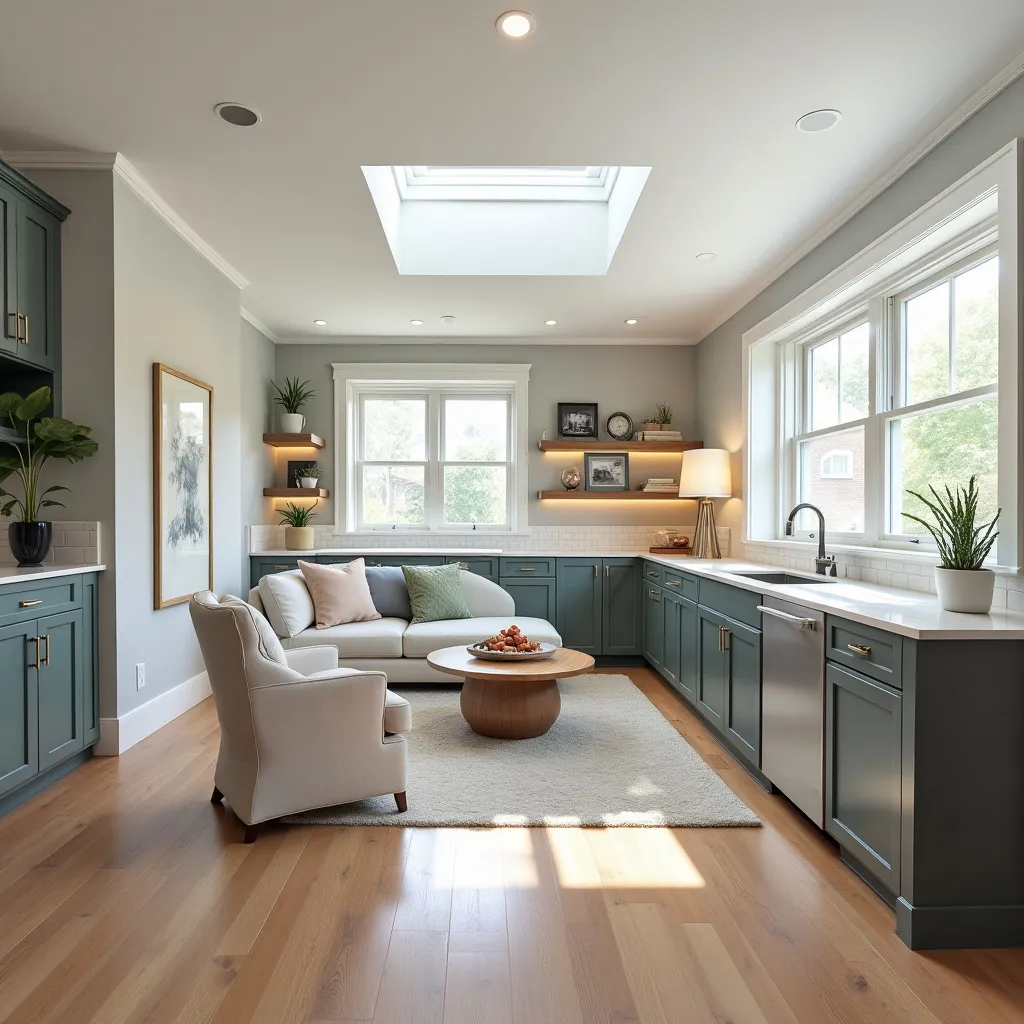
What Would You Like to Achieve Through Your Home Renovation?
What goals does one have in view when embarking on a home renovation project? People often seek to enhance capability, improve aesthetics, or increase property value. Some may desire a more open layout to promote social interactions, while others aim to create a serene retreat within their home. Specific objectives can include upgrading outdated spaces, incorporating energy-efficient elements, or expanding living areas to accommodate growing families.
Moreover, a property owner might wish to customize their environment to display their style and preferences, turning it a genuine reflection of who they are. Security and ease of access can likewise be important considerations, particularly for those having elderly relatives or disabilities. Ultimately, the objectives of a remodeling project serve as the cornerstone for decision-making, steering choices in design, materials, and overall execution. Understanding these aspirations is essential for achieving a successful transformation that meets both functional requirements and individual preferences.
Methods to Planning Resources for Your Home Upgrade Project
Budgeting for a home renovation project demands careful planning and thought. It is vital to set an comprehensive budget, prioritize essential upgrades, and allow for unexpected costs that may happen. By tackling the budgeting procedure systematically, homeowners can achieve their goals without financial strain.
Establish Your Complete Budget
Before initiating a home remodeling project, it is necessary to create an comprehensive budget that corresponds with both financial constraints and renovation goals. Homeowners should start by analyzing their finances to grasp how much they can reasonably allocate for the project. This includes assessing savings, income, and possible financing options. It is also sensible to account for unexpected expenses, typically 10-20% of the total budget, to address unforeseen issues that may surface during renovation. Additionally, homeowners should research the costs pertaining to various materials and labor in their area, allowing informed decisions. By setting a clear budget, homeowners can keep focus on their remodeling goals and avoid the stress of overspending.
Emphasize Crucial Upgrades
After establishing a solid budget, homeowners can start identifying the improvements that will deliver the most advantage and functionality in their space. Prioritizing essential upgrades involves assessing areas that require immediate attention, such as outdated plumbing or electrical systems, which can present safety risks. Kitchen and bathroom upgrades often deliver significant returns on investment; as a result, investing in updates for these rooms is frequently beneficial. Furthermore, boosting energy efficiency via windows, insulation, or appliances helps cut long-term costs. Considering lifestyle requirements is also important for homeowners, like making open spaces for family gatherings or separate work zones. Through careful selection of upgrades that meet both current needs and future goals, homeowners can enhance their remodeling effectiveness while adhering to their budget.
Account For Unexpected Costs
Preparing for unforeseen expenses is crucial for property owners undertaking a renovation project. Financial plans can become strained when unforeseen issues happen, including structural damage, aging electrical systems, or hidden water damage. Experts recommend setting aside an additional 10 to 20 % of the total budget to cover these contingency expenses. Homeowners should also think about possible cost variations in supplies and workmanship. Researching local contractors and getting multiple estimates can provide a clearer picture of anticipated costs. Additionally, keeping clear dialogue with contractors throughout the project helps identify and address problems promptly. By proactively accounting for these unexpected costs, property owners can make sure that their remodeling project stays on track, ultimately renovating their space without financial strain.
Which Design Approaches Suit Your Home Makeover?
Throughout the world of home remodeling, aesthetic preferences represent an indispensable component in forming the overall aesthetic. Homeowners can decide on from a spectrum of selections, comprising modern minimalist aesthetics, cozy rustic charm, and elegant traditional touches. Each design choice lends its own unique character, modifying both the atmosphere and function of the space.
Modern Simplified Aesthetics
Modern streamlined aesthetics offer an refreshing method to home remodeling, defined by minimalism and practicality. This design style highlights spacious areas, sleek contours, and a limited color palette, often featuring neutral tones that promote a sense of calm. Furniture and decor are carefully chosen, creating an uncluttered environment that enhances overall harmony. Organic substances, such as wood and stone, often play a significant part, providing warmth while preserving a polished appearance. Illumination is carefully considered, often using large windows to enhance natural light. In a modern minimalist home, every component has a function, adding to a cohesive look that embodies the homeowner's values of clarity and efficiency. This style promotes serenity, rendering it perfect for modern living.
Warm Rustic Charm
Embracing the spirit of coziness and ease, cozy rustic charm stands as a popular choice for homeowners seeking a more welcoming atmosphere. This design style often includes natural materials, such as reclaimed wood, stone, and soft textiles, creating an organic feel. Earthy color palettes—think warm browns, soft greens, and muted reds—boost the link to nature.
Key aspects include exposed beams, substantial seating, and vintage accessories, which stir a wistful remembrance. Fireplaces emerge as visual anchors, bringing families as one in a relaxed environment. Additionally, weaving contemporary additions with rustic accents secures practicality without abandoning charm. Overall, cozy rustic charm converts spaces into hushed sanctuaries, making it an appealing option for those striving to saturate their homes with authenticity and comfort.
Graceful Time-honored Flourishes
While many homeowners search for ease through country designs, others appreciate beauty in the refined elegance of traditional styles. This design method emphasizes enduring elements such as ornate moldings, vintage furniture, and bold color palettes. Traditional spaces often showcase even arrangements and orderly setups, offering a sense of order and elegance. Incorporating antique or classic pieces can enhance authenticity, while luxury materials like silk and velvet add depth and texture. Architectural details, such as coffered ceilings and paneling, contribute to an overall sense of splendor. Homeowners embracing this style often favor comfortable, inviting spaces that express their heritage or personal history, making traditional design a lasting choice for those wishing to evoke a sense of refinement in their remodeled homes.
Methods to Find the Correct Contractors for Your Home Renovation?
Picking the right contractors for home remodeling can substantially affect the achievement of a project. House owners should begin with researching area professionals and checking their credentials, including licenses and protection. Examining online reviews and obtaining referrals from friends or family can provide valuable insights into a contractor's reputation.
Next, it's essential to interview multiple candidates to assess their communication skills and professionalism. Homeowners should ask for detailed estimates and schedules to ensure openness. A good contractor should be willing to answer questions and provide a thorough comprehension of the project scope.
Additionally, examining past projects or galleries can benefit homeowners assess a contractor's technique and proficiency of work. Finally, trust and rapport are paramount; a contractor's temperament and willingness to team up can greatly determine the renovation experience. By adopting these practices, homeowners can render sound determinations that align with their aspiration for their dream home.
Which Important Tips Will Help You Achieve a Successful Home Renovation?
How can property owners guarantee a successful home remodeling project? Initially, establishing a clear plan is crucial. Property owners should outline their goals and preferences, ensuring all stakeholders understand the intended outcome. Next, establishing a realistic financial plan helps reduce unforeseen expenses. It is essential to incorporate a reserve fund for unexpected complications.
Effective dialogue with contractors is important; homeowners must convey their requirements explicitly. Frequent communications and property visits can facilitate this interaction. Additionally, studying products and styles will enable homeowners to make informed decisions, balancing visual appeal and practicality.
In conclusion, acquiring necessary permits guarantees compliance with local laws, steering clear of future complications. By following these suggestions, homeowners can handle the complexities of renovation, ultimately turning their area into a perfect residence.
How to Maintain Your Recently Updated Home?
Homeowners who have full information invested time and resources in a home remodel should prioritize continuous care to preserve their newly transformed space. Regular cleaning is essential; applying correct cleaners to multiple materials will minimize wear and tear. For instance, hardwood floors require special cleaners that maintain the finish, while countertops may demand tailored solutions to stop stains.
Additionally, residents should conduct seasonal inspections to address any issues early. This comprises checking for leaks, maintaining HVAC systems, and confirming outdoor drainage is functioning correctly. Regular maintenance of appliances and fixtures will also extend their lifespan.
Furthermore, it is beneficial to set up a maintenance schedule that specifies tasks like repainting or resealing surfaces as needed. By committing effort to these tasks, homeowners can copyright the beauty and usability of their remodeled spaces, ultimately boosting their property’s value and comfort for many years forward.
Regularly Questioned FAQs
How Long Does a Standard Home Renovation Project Typically Take?
A typical home renovation project may consume anywhere from a few weeks to several months, subject to the breadth, complexity, and size of the renovation. Each endeavor fluctuates depending on individual requirements and unforeseen challenges.
What Permits Are Needed for Home Renovation?
Typically, licenses required for house remodeling comprise building, electrical, plumbing, and mechanical permits. Local regulations may change, so it's essential for homeowners to consult their municipality to maintain adherence with all required provisions and guidelines.
What Ways Can Allow Me to Minimize Disruptions During Remodeling?
To lessen disturbances during remodeling, one can establish clear communication with contractors, determine defined scheduling, assign a separate living area, and maintain a tidy workspace. Planning ahead helps ensure a smoother remodeling process.
Which Typical Errors Should Property Owners Avoid When Remodeling?
Essential errors to avoid during home renovation include miscalculating budgets, neglecting permits, cutting corners on adequate planning, choosing the wrong selections, ignoring project deadlines, and failing to communicate effectively with project professionals, which can lead to costly delays and unsatisfactory outcomes.
How Should I Manage Unforeseen Expenses Throughout the Remodeling Project?
To address unforeseen expenses during remodeling, one should create a contingency fund, discuss freely with contractors, prioritize necessary upgrades, and remain adaptable in decision-making. This approach assists with managing budgets and minimizes anxiety throughout the process.
Report this page